
Early Life
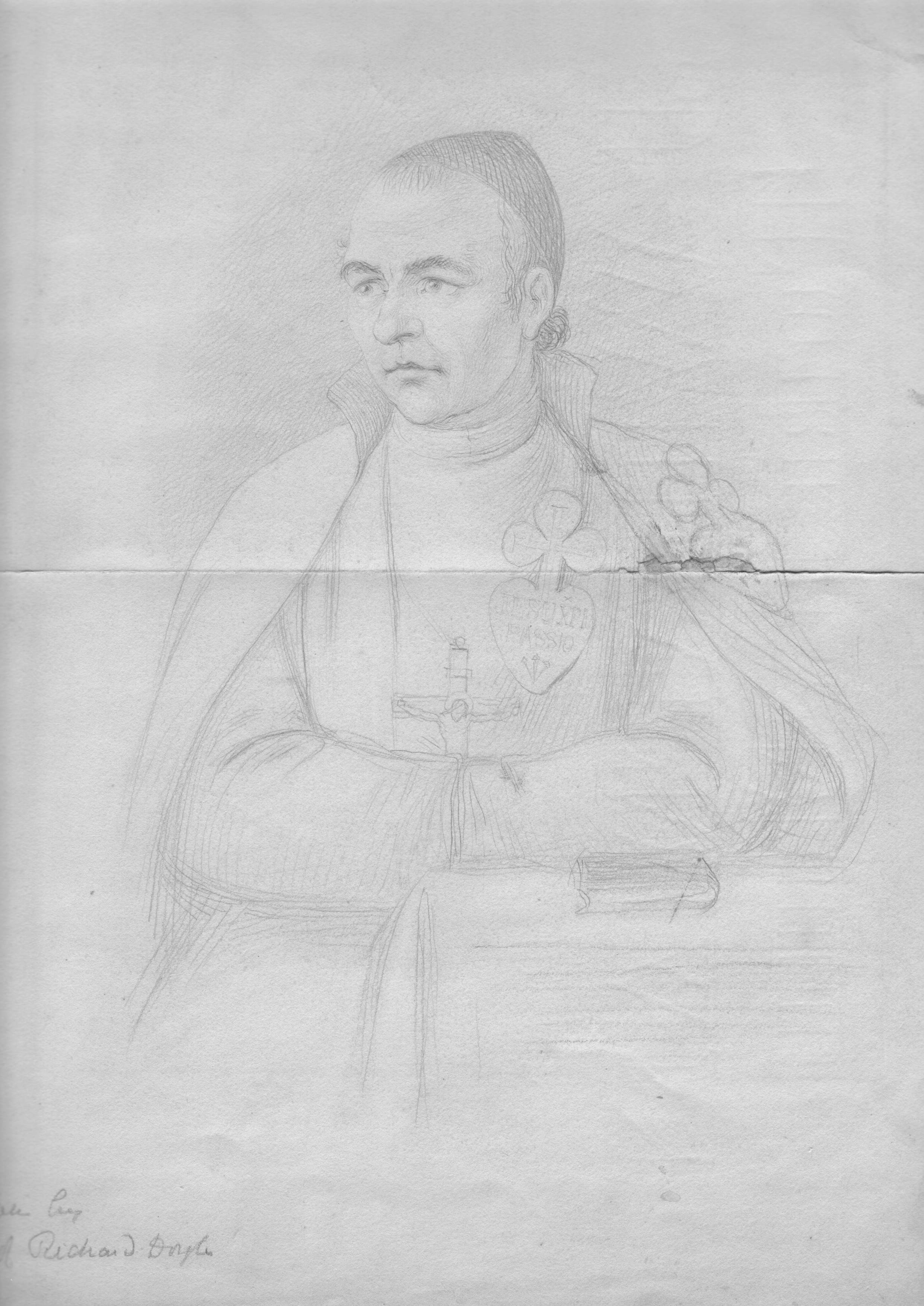
Dominic Barberi was born to a poor family of Italian farmers in 1792. Orphaned at the tender age of eight, an uncle and aunt raised him in the town of Merlano. Young Dominic was not sent to school, but instead was taught to shepherd sheep. But the child always found time to pray as he tended the sheep, and he also diligently taught himself to read and write.
When Napoleon closed all the religious houses in Italy, Dominic became acquainted with several Passionists living in exile near his town. During this time, Dominic experienced a divine message to join the Passionists and one day go to England.
Dominic had promised God that if he were not drafted, he would become a Passionist. Unfortunately, he soon forgot his promise. Dominic's uncle and aunt had also planned a marriage for him. But just before the arranged marriage was to take place, he slipped away and instead entered the nearby Passionist monastery at Vetralla. Dominic studied eagerly, for he had a brilliant mind. He was ordained in Rome on 1 March 1821. For the next nineteen years he shared the life and ministries of the Passionists in Italy, but his heart was in England.
Source: passionistarchives.ie
Mission in England
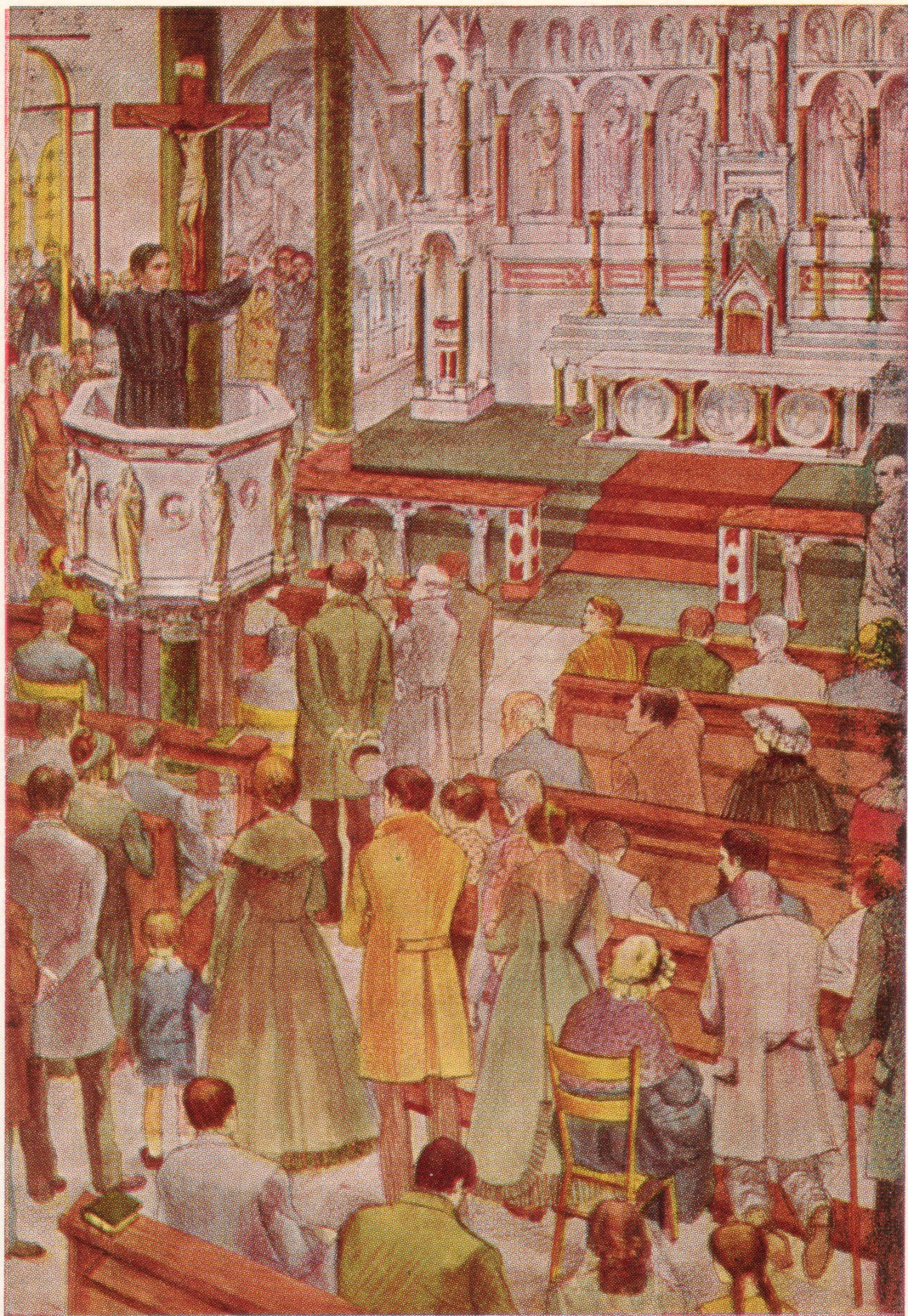
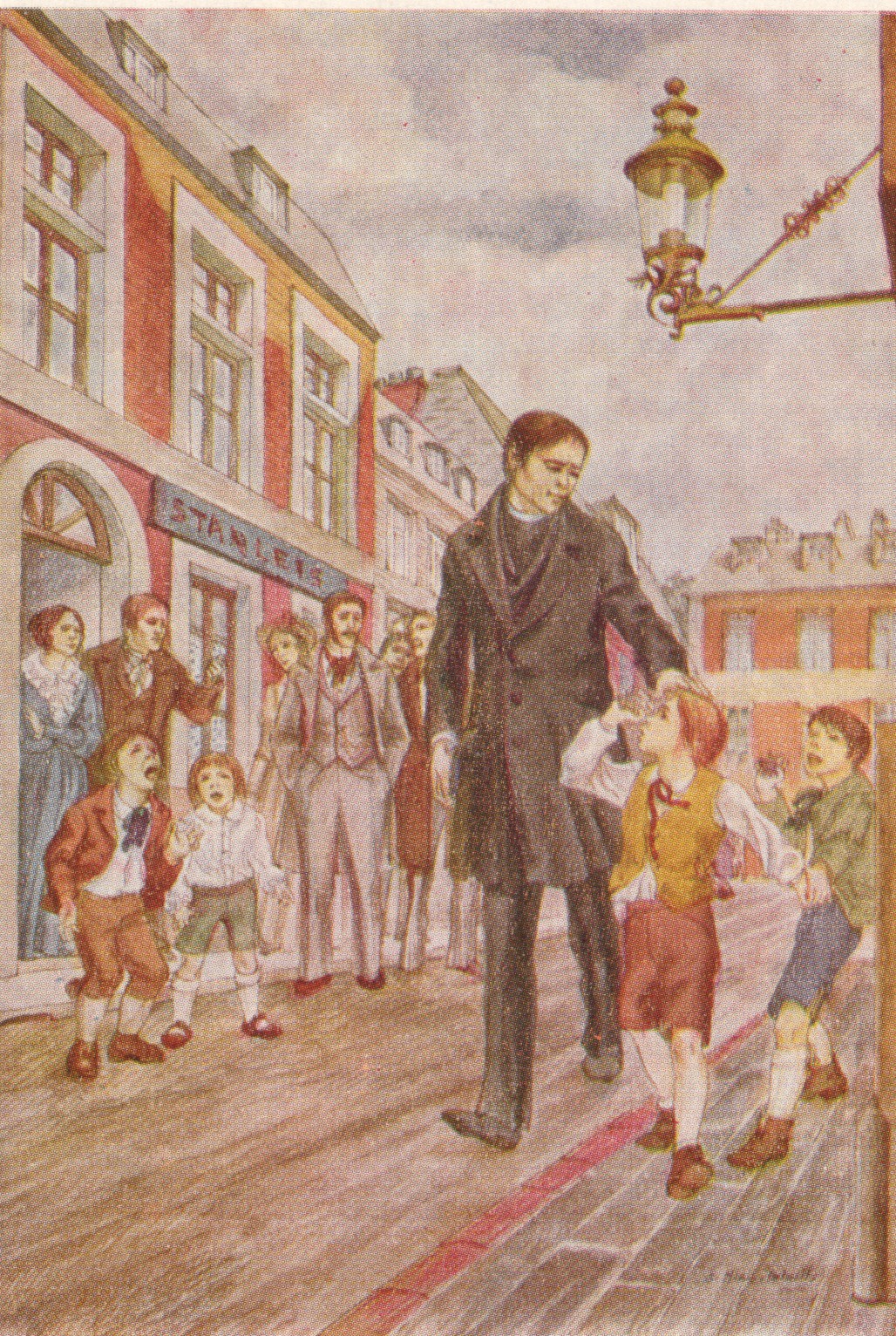
In 1833, Dominic became a delegate to the General Chapter. In this capacity, he was able to plant the seed to send missionaries to England. By the time of the 1839 General Chapter, changes in the Congregation were afoot. The new General Superior was the charismatic Father Anthony Testa. By April of 1840, Father Testa decided that Dominic should go to England, though he worried for Dominic's failing health. He sent him with three companions to Belgium to make a foundation in that country with the hope that from Belgium the mission to England could be realized. Dominic established the first Passionist monastery outside of Italy in 1840, at Ere in Belgium.
Finally, the time came to establish the first Passionist residence in England. Father Dominic and a companion went to England and obtained a house at Aston Hall in Staffordshire. One of his first ministries was the celebration of the 1842 Holy Week services.
Source: passionistarchives.ie
The London Foundation
Blessed Dominic wrote his own account of the foundations in England — in Italian, before his death — which was translated by Fr. Ignatius Spencer and recorded in the Platea of Poplar House. A note in Spencer's hand at the foot of the manuscript reads: "Thus far has been translated from what was written in Italian by Father Dominic before his death." The account is preserved in full in the Provincial Archive.
"Our Congregation is bound by a tie of eternal gratitude to the Right Rev. Dr. Wiseman, who was the instrument chosen by God for introducing us into England. No sooner was he consecrated Bishop of Melipotamus in partibus, and appointed coadjutor to Dr. Walsh in the central District of England, than he invited us to it, and after many difficulties which had to be overcome, put us in possession of our first house in this kingdom situated at Aston, near Stone, Staffordshire."
"He found the house perfectly suited to us, since although not far from London, it stands in a beautiful solitude, where nothing can be seen but trees and sky."
"What pleased Fr. Dominic above all, was that in this place we should not have the charge of a parish...but should be entirely free, just as in Italy, to give missions to help the Parish Priests who might call us."
"Nine years that have passed since we left Italy we have never asked for anything, except for the purpose of building, and yet we have never wanted what was necessary."
John Henry Newman
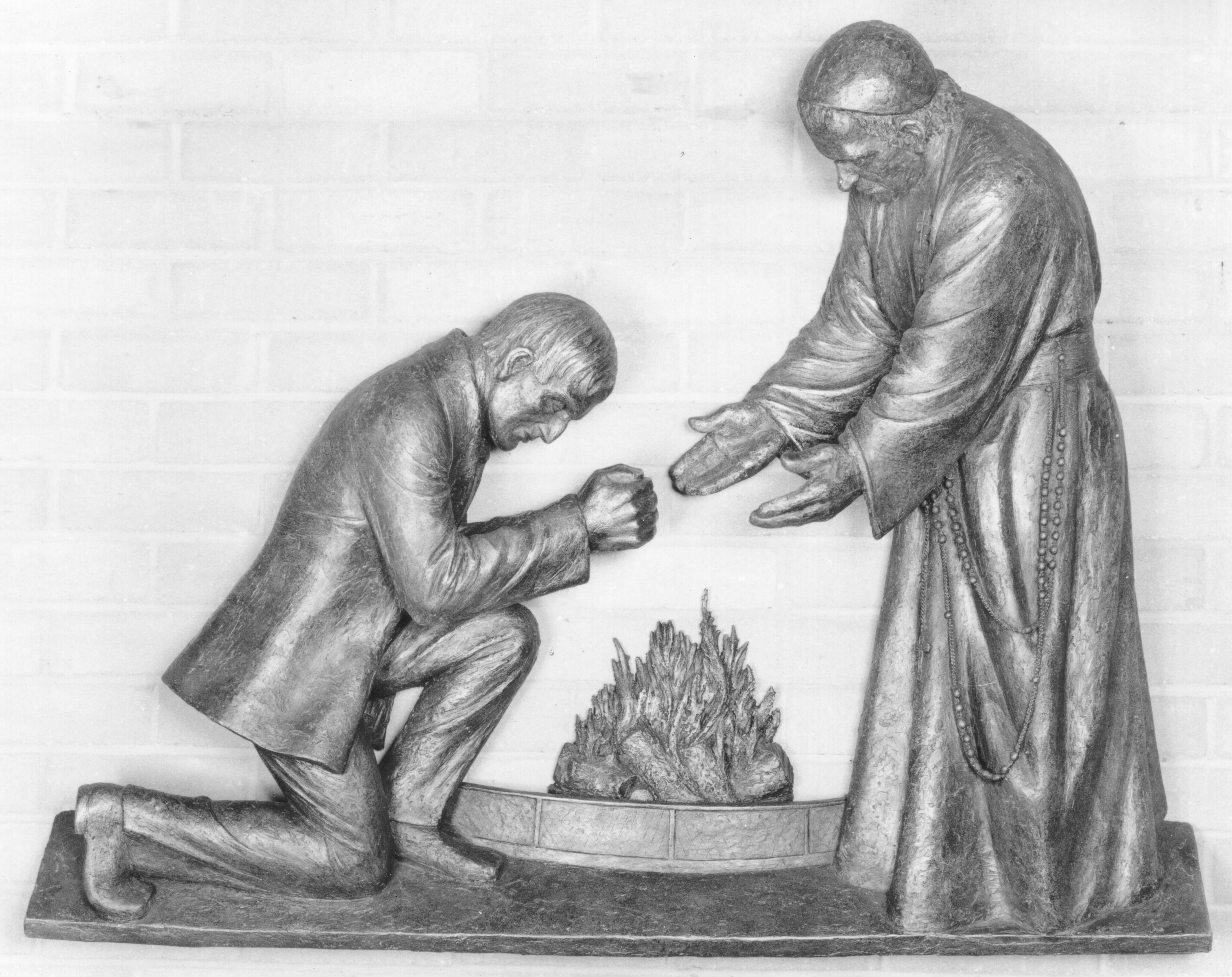
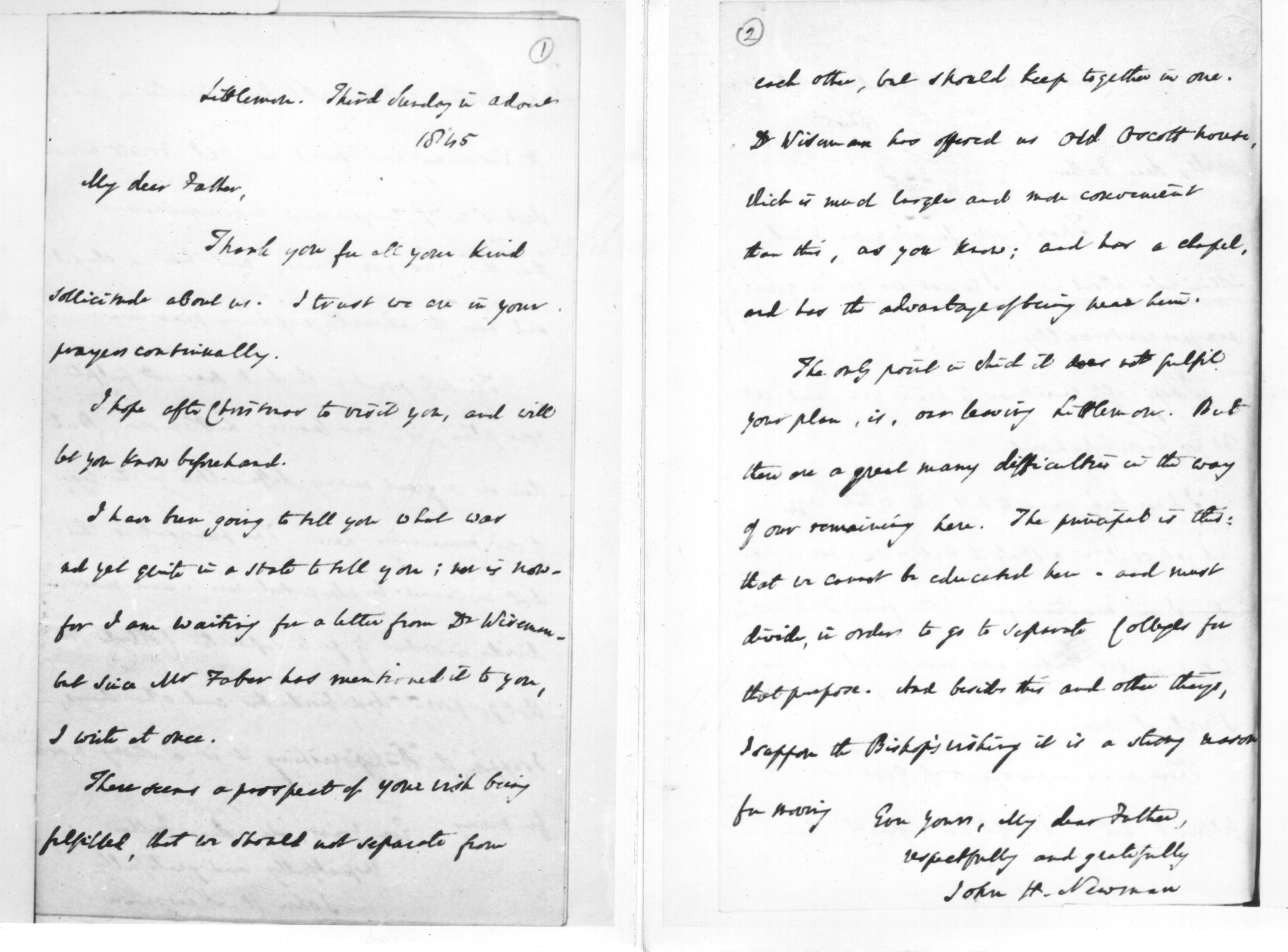
Dominic felt blessed to receive the famous Anglican John Henry Newman into the Catholic Church.
"What a spectacle it was for me to see Newman at my feet! All that I have suffered since I left Italy has been well compensated by this event. I hope the effects of such a conversion may be great."
On the following Sunday, Blessed John Henry Newman and four companions went to the Catholic Chapel of St. Clement's at Oxford for Mass. All England soon knew that they were now Roman Catholics.
Father Ignatius Spencer
English vocations were few, but Dominic was deeply consoled by the arrival of Father George Spencer who received the habit on 5 January 1847. Spencer was a convert of some years and already ordained when Dominic came to England in 1841. Now as a fellow Passionist, he proved a great comfort to Dominic and the Passionists.
Source: passionistarchives.ie — See also the Ignatius Spencer page.
His Character
Mercy Unto Thousands (Sister Bertrand Degnan, RSM, 1957), a history of the Sisters of Mercy, records an incident from a retreat Blessed Dominic gave to the Sisters in Birmingham. When some of the younger nuns expressed doubts about the propriety of women instructing men, Dominic replied at his next conference:
"My sisters, some of you hava da doubts about da propriety of instructing men. Oh, instructa da poor men, my sisters, instructa da poor men. Ifa da community were young anda 'ansom, ita might be different. But for you — oh, for you der is no danger; you are alla too ugly far."
His Death
In August, 1849, Dominic was travelling to Woodchester from London. About five miles from Reading, Dominic got desperately sick. He was taken off the train to be attended by a doctor, but there was not a room for him at the small station of Pangbourne. Father Louis put him back on the train for Reading. He died there from a heart attack at 3.00 pm on 27 August 1849.
Source: passionistarchives.ie
Fr. Ignatius Spencer recorded the event in the Platea of Poplar House:
"The Very Revd. Father Dominic, our Pro Provincial passed to a better life, after a short but painful attack of illness of 5 hours, on the 27th August 1849 while on his journey to our house at S. Mary's Hill, Woodchester."
Archive Collection
The St Joseph's Province Archive holds material relating to Blessed Dominic Barberi across several series. The digitised holdings include:
- Photographs Portraits of Blessed Dominic Barberi, including the large oil painting held at the Province
- Beatification materials Documents and printed ephemera relating to the beatification by Pope Paul VI in 1963
- Paintings Reproductions of the large oil painting and other devotional artwork
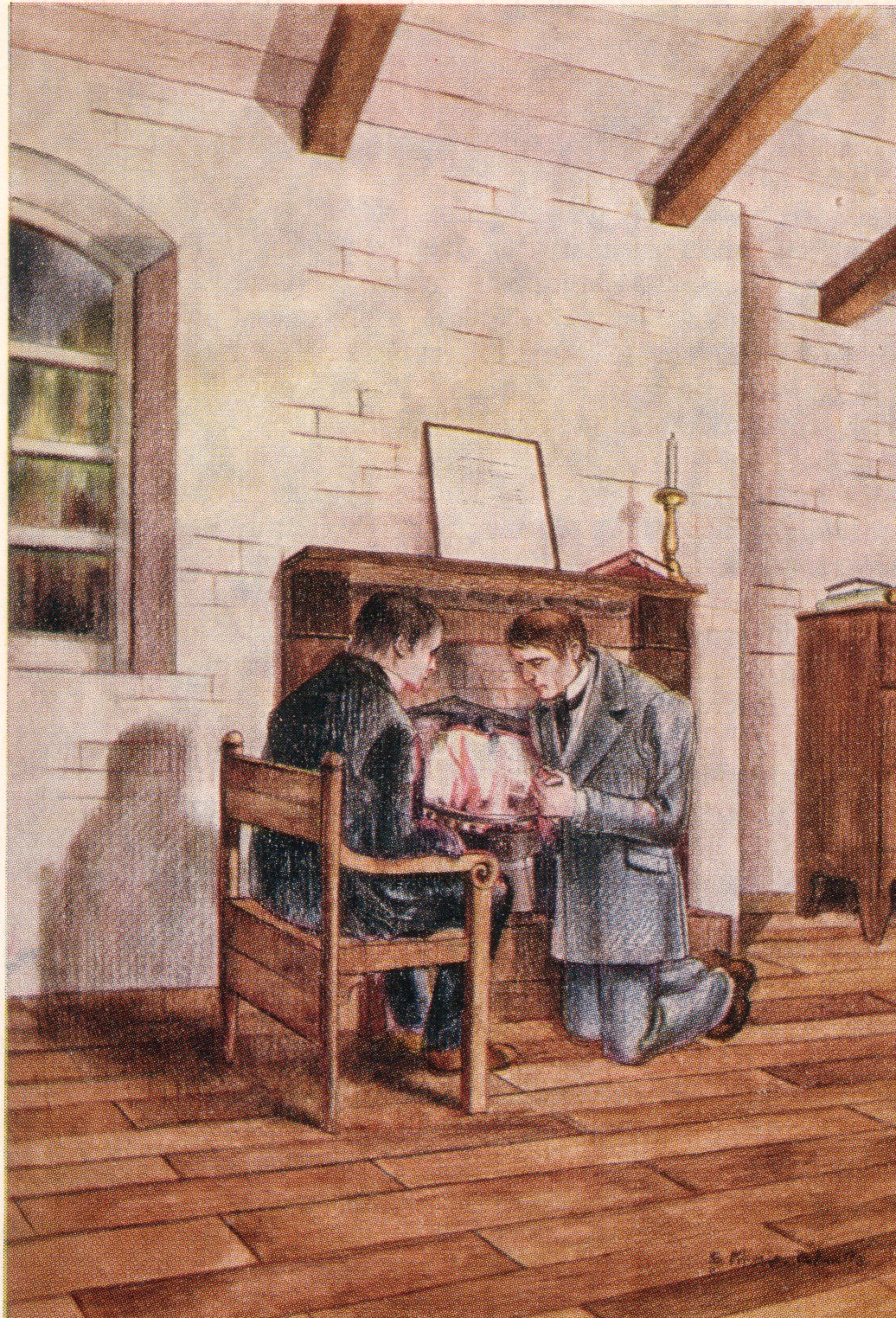
- Newman connection Photographs associated with Littlemore and the reception of John Henry Newman, October 1845
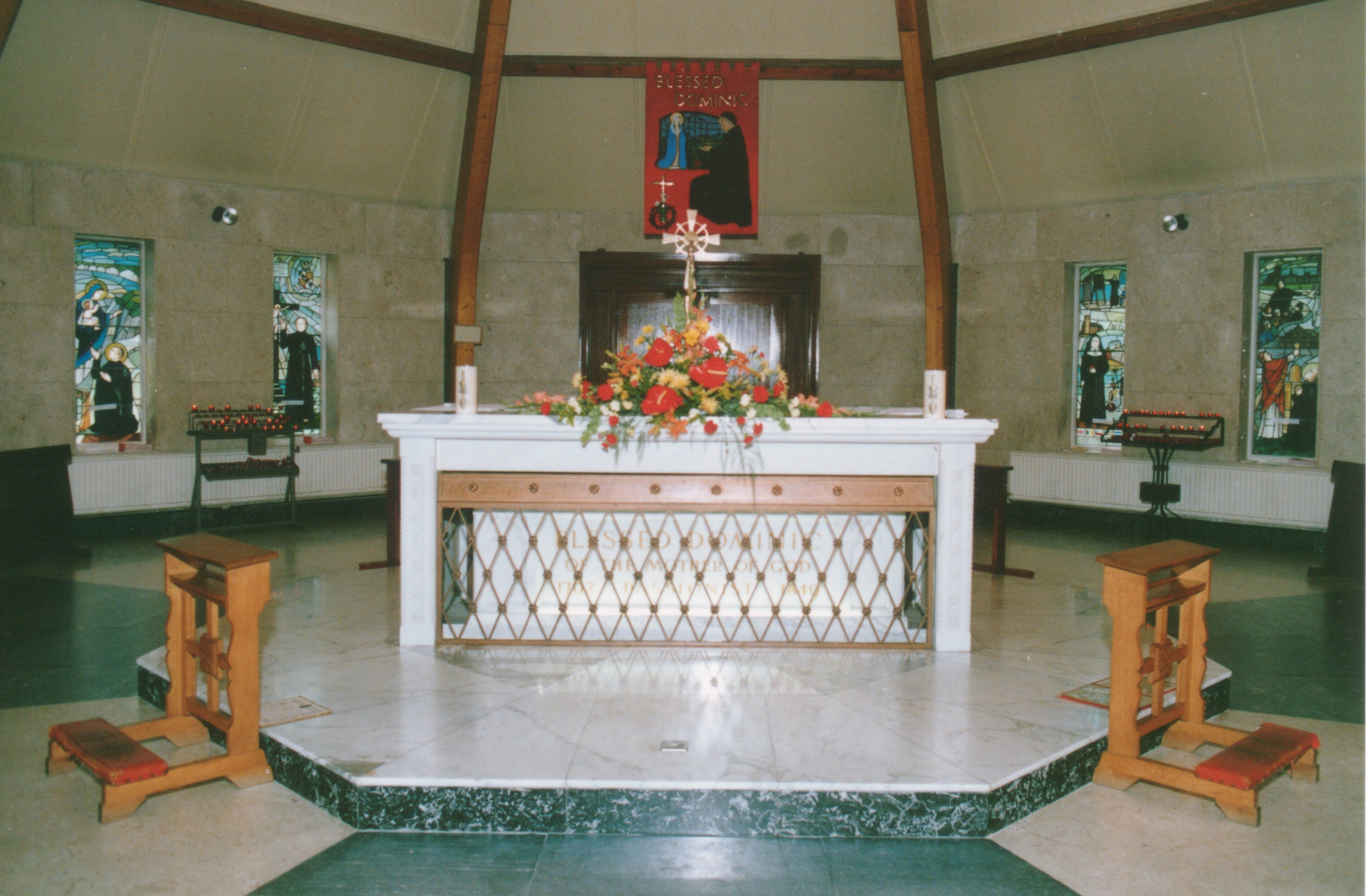
- Sutton tomb Photographs of the tomb at St Anne's Retreat, Sutton, Staffordshire
- Platea of Poplar House The house chronicle containing Dominic's translated account of the English foundation, in Fr. Ignatius Spencer's hand — viewable as a IIIF manuscript via the Plateas page
The full catalogue of physical holdings is available at catholicarchives.co.uk (opens in new tab).
Photographs
The Provincial Archive holds 115 photographs and images relating to Blessed Dominic Barberi — portraits, paintings from his life, images from his early years in Italy, the first English house at Aston Hall, Stone, the Newman connection at Littlemore, the Beatification in 1963, pilgrimages to Sutton, and photographs of his tomb. The full collection is viewable on the Photographs page.